Every growing business reaches a point where the people practices that once worked effortlessly begin showing signs of strain.
In the early stages, founders often manage recruitment, onboarding, performance conversations and employee questions themselves. Decisions happen quickly because everyone understands how the business operates.
As teams grow, however, relying on informal conversations and individual knowledge becomes more difficult. Hiring increases, managers take on greater responsibility and leaders spend more time creating alignment across the business.
This is often the point where businesses begin thinking differently about HR – not because they’ve suddenly become “big enough”, but because their people practices need to evolve alongside the business.
Signs Your Business May Be Outgrowing Informal HR
As businesses grow, the people practices that supported earlier stages of growth may no longer keep pace with the changing needs of the company. This may lead you to encounter situations such as:
- Founders or senior leaders remain involved in every people decision
- Managers approach similar situations in very different ways
- Hiring becomes reactive rather than planned
- Employees receive different answers depending on who they ask
- Leaders are spending more time resolving people issues than leading the business
- Processes exist informally but not consistently across teams
While these challenges are common in growing businesses, they can have a significant impact if left unaddressed. Recognising them early creates an opportunity to strengthen your people practices before they begin affecting productivity, consistency and the employee experience.
The Evolution of HR as Your Business Grows
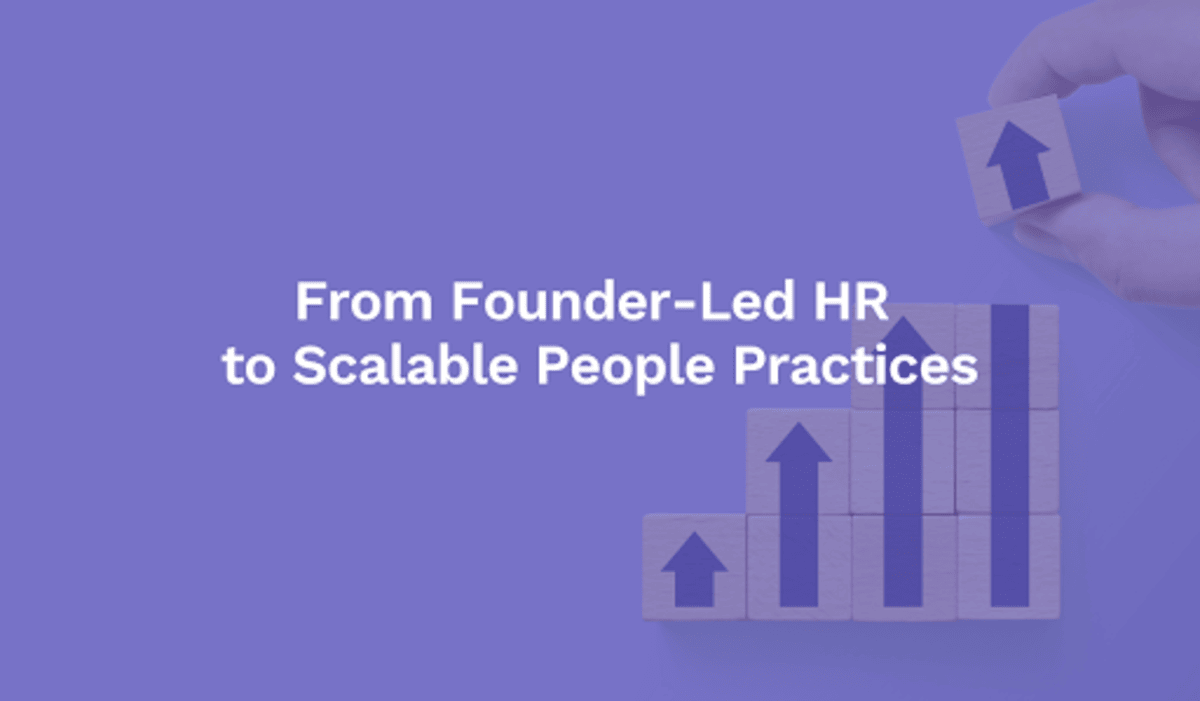
One useful way to think about this transition is as a shift in HR maturity. Businesses rarely move through these stages in a straight line and different areas of the organisation may progress at different rates. However, the model can help identify where your people practices are today and what may need to evolve next.
Stage 1: Reactive People Management
Typically looks like:
- Hiring happens when vacancies appear
- Founders make most people decisions
- Processes exist informally
- Managers rely on judgement rather than consistency
Stage 2: Proactive People Practices
Typically looks like:
- Recruitment becomes more planned
- Managers receive guidance
- Processes become streamlined and documented
- Expectations become clearer
Stage 3: Strategic HR Capability
Typically looks like:
- HR supports business goals
- Leaders own people capability
- Managers make confident decisions
- Continuous improvement becomes part of how the business operates
- Founders and Business Owners are less exposed to unnecessary Fair Work risks
How to Build More Mature HR Practices
As your business grows, consider strengthening the following areas:
- Assess your current approach: Identify where people processes rely on informal knowledge rather than clear, documented practices.
- Support your managers: Equip managers with the tools, training, guidance and confidence to make consistent people decisions.
- Prioritise consistency: Introduce easy, practical processes for areas such as recruitment, onboarding and performance management before they become pain points.
- Use people data: Monitor metrics such as turnover, recruitment and employee feedback/engagement to identify trends and inform decisions.
- Align HR with business goals: Ensure your people practices support broader priorities, whether that’s growth, innovation or developing future leaders.
For some growing businesses, partnering with an external HR consultant provides additional capability while allowing leaders to stay focused on running the business. Others continue building their internal capability over time. The right approach depends on your business stage and needs.
What’s the Right Next Step for Your Business?
Building stronger people practices does not automatically mean hiring an internal HR manager. Instead, the goal is to put the right level of support in place for your current stage of growth.
A good place to start is by asking:
- Where are people decisions creating the most friction?
- Which responsibilities rely too heavily on founders or senior leaders?
- What processes would benefit from greater consistency?
- Where do managers need more guidance or support?
- What people practices will become more important as the business continues to grow?
- Where do we feel most at risk?
The answers can help clarify what your business needs next. For some businesses, that may mean strengthening existing people processes internally. Others may benefit from external HR support to build capability, develop leaders or introduce more consistent people practices. The right approach depends on your business, your team and where you’re heading next.
The goal isn’t to add unnecessary complexity. It’s to put the foundations in place so your people practices can continue supporting your business as it grows.
Support Your Next Stage of Growth
As your business evolves, your people practices should evolve with it. The systems, processes and leadership approaches that worked when your team was smaller may need to adapt as your business becomes more complex.
At Purple Playground, we work alongside growing businesses across Australia to build practical, scalable people practices that strengthen leadership capability, create greater consistency and support sustainable growth.
If you’re starting to feel that your current people practices aren’t keeping pace with your business, we’d love to help. Speak with us about HR consulting for small businesses and explore practical ways to build stronger people foundations that grow with your business.